

3. Wie lange ist es nach dem Öffnen haltbar?Im Kühlschrank in einem Glas- oder Plastikbehälter aufbewahren und innerhalb von 3–4 Tagen verbrauchen. Nicht in der geöffneten Metalldose lagern.4. Kann man weißen Spargel aus der Dose in warmen Gerichten verwenden?
Ja. Sie eignen sich hervorragend für Suppen, Aufläufe, Pfannengerichte und Eintöpfe. Nur vorsichtig erhitzen, damit sie nicht matschig werden.
5. Sind die Dosen BPA-frei oder welche Verpackungsoptionen gibt es?
Wir verwenden handelsübliche, lebensmittelechte Materialien. Viele Käufer wünschen spezielle Deckel oder Dosen – teilen Sie uns Ihre Anforderungen mit. Wir können dann Alternativen besprechen.
6. Wie lässt sich der Geschmack am besten verbessern?Gut abtropfen lassen (oder abspülen), trocken tupfen und dann kräftig würzen – mit Knoblauchbutter, Kräutern, Käse, Sauce Hollandaise oder Vinaigrette. Kleine Verfeinerungen machen einen großen Unterschied.
7. Unterstützen Sie Private Labeling und kleine Testbestellungen?
Absolut. Wir bieten OEM/ODM-Services, gemischte Gebinde für Testzwecke und komplette Private-Label-Programme an. Die Mindestbestellmenge ist für Testzwecke flexibel.
8. Wie sollten Importeure Lieferanten bewerten?
Bitten Sie um aktuelle Prüfberichte, Angaben zum Abtropfgewicht, Probenkonsistenz und Referenzen aus Ihrem Markt. Besuchen Sie nach Möglichkeit die Produktionsstätten oder beginnen Sie mit einem Testbehälter.Zusammenfassend lässt sich sagen: Ein zuverlässiger Partner für Ihre BedürfnisseWeißer Spargel aus der Dose soll nicht die Freude an frisch geerntetem Frühlingsspargel ersetzen. Er ist die praktische, hochwertige Lösung, die für einen gleichbleibenden Speiseplan, volle Regale und planbare Kosten das ganze Jahr über sorgt.
Aus unserer Erfahrung im Verpacken und Exportieren dieser Produkte wissen wir, dass der Erfolg auf Details beruht: sorgfältige Rohstoffauswahl, präzise Verarbeitung, transparente Spezifikationen und eine enge Kommunikation mit den Käufern. Bei Amoytop Foods konzentrieren wir uns auf diese Grundlagen – ob Marken wie Hopeland und Freshsmile oder Ihre Eigenmarke – und liefern Produkte mit den Zertifizierungen, die die globalen Märkte fordern.Ob Sie Supermarktregale füllen, Restaurants beliefern, Eigenmarken entwickeln oder ein stabiles Gastronomieprogramm aufbauen – zuverlässiger weißer Spargel in Dosen kann ein stiller Held in Ihrem Sortiment sein. Wir haben bereits vielen Partnern dabei geholfen, genau das zu erreichen.Wenn Sie sich über Optionen informieren oder Spezifikationen besprechen möchten, kontaktieren Sie uns. Wir antworten schnell und stellen Ihnen gerne Muster, aktuelle Preise und maßgeschneiderte Lösungen für Ihren Markt zur Verfügung. Lassen Sie uns darüber sprechen, was für Ihr Unternehmen am besten funktioniert – denn gleichbleibende Qualität sollte nicht saisonabhängig sein.
· Larger tins (1700ml to 3100ml): for bulk cooking, ready-meal lines, and catering.
· Picnic tins and rectangular cans for shelf appeal and different display needs.
· Options for whole spears, tips & cuts, or mixed styles.
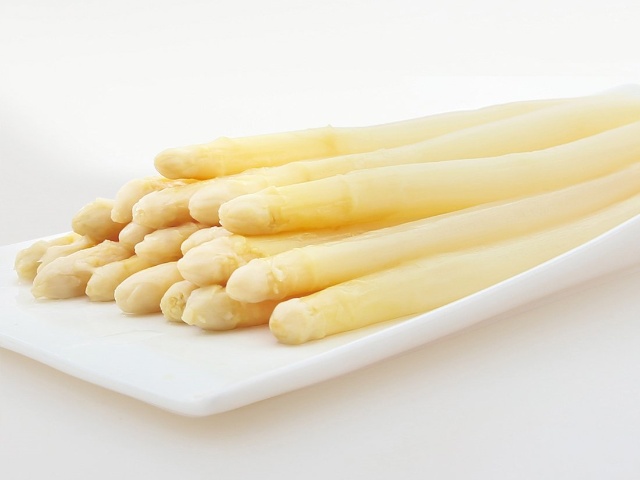
White asparagus stays pale and tender because it grows without light. In the can, it keeps that delicate flavor profile — slightly sweeter and less grassy than green. We support both white and green, plus custom cuts. Ingredients stay minimal: fresh asparagus, water, salt, and citric acid (E330) for color stability.
Certifications are non-negotiable for serious buyers. Our lines carry BRC, IFS, HACCP, ISO, Kosher, Halal, and others. This opens doors in Europe, North America, Latin America, Australia, and across Asia. Honestly, this is where many new importers get burned — they chase the lowest price and end up with products that fail audits or disappoint end customers on texture and drained weight.
The Production Reality: From Field to Can
Let me walk you through what actually happens on the floor, because this is where experience separates reliable suppliers from the rest.
Harvest happens at the right maturity — tight tips, tender stalks. For white asparagus, timing and blanching method affect final hardness and appearance. Spears get washed thoroughly, sorted by size, and blanched to inactivate enzymes. Then comes filling: we aim for good piece integrity and consistent fill ratios so every can meets expectations.
Sterilization is critical for low-acid vegetables like this. Proper pressure and time ensure safety while preserving texture. Over-processing turns spears soft; under-processing risks shelf life. We’ve refined our parameters over years of running these lines.
Here’s a real scenario we’ve seen repeatedly: A buyer sources from a new supplier offering great-looking samples. In production volume, though, drained weights drop, spears vary wildly in length, or the brine clouds up. Portion costs go haywire and returns start. Switching to consistent specs fixes that fast. Our typical drained weights (205g on 370ml, 395g on 720ml) give buyers predictable yield.
OEM/ODM is straightforward. Private label? Yes. Custom brine strength, specific spear lengths, or unique can shapes? We can discuss it. MOQ is one 20ft container, but we often mix 3–4 SKUs for trial orders. Lead time runs around 20–30 days after deposit and label approval. Payment is standard T/T 30% deposit.
Health Angle: Nutrition That Holds Up
Canned white asparagus isn’t “just canned food.” It retains solid nutrition. You get fiber for digestion, vitamin K for bone health and clotting, folate, and antioxidants. Some water-soluble vitamins leach into the brine, but overall it’s still a low-calorie, nutrient-dense option — especially when fresh isn’t practical.
Many health-conscious consumers appreciate the convenience. Drain, rinse if you want to reduce sodium, and use. It’s naturally gluten-free and fits keto, low-carb, or Mediterranean-style eating.
Real-World Uses: Beyond Basic Sides
This is where canned white asparagus spears really shine — versatility in busy operations.
Classic European style: Warm the spears gently and serve with hollandaise sauce, melted butter, or wrapped in ham/prosciutto. Chefs love this for brunch or dinner service because it’s quick and looks premium.
Salads and cold apps: Drain well, toss into mixed greens with vinaigrette, capers, chopped eggs, and peppers. One simple recipe we’ve seen work well: white asparagus with a caper salad — peppers, onion, hard-boiled eggs, olive oil, vinegar. Pairs beautifully with smoked salmon.
Soups and creamy dishes: Blend drained spears into velouté or cream soups. The mild flavor takes herbs, garlic, or cheese nicely without overpowering.
Casseroles, bakes, and stir-fries: Layer into quiches, pasta bakes, or rice dishes. For hot applications, pat dry first — this avoids the watery taste some people associate with canned veggies. A quick sauté in garlic butter or roast/air-fry can crisp edges nicely.
Food service hacks: Buffet lines use larger tins for volume. Ready-meal producers appreciate the long shelf life and consistent sizing for automated lines.
Pro tip from the factory side: Always drain thoroughly and consider the liquid. Some chefs use a bit of the brine in soups or stocks for extra flavor. Don’t overcook — these spears are already tender.
We’ve helped importers adapt recipes for local tastes. In Asia, they might go into stir-fries or fusion salads. In Europe and Latin America, classic presentations dominate. The key is treating them as a convenience ingredient, not a poor substitute for fresh.
Common Challenges and How to Avoid Them
Buyer mistake #1: Focusing only on price per can instead of drained weight and piece count. You might pay less upfront but get fewer usable spears and higher effective cost.
Mistake #2: Ignoring certifications until an audit hits. Then it’s panic time. Work with suppliers who already export to your target markets.
Mistake #3: Poor storage or handling after opening. Once opened, transfer to a non-metal container and refrigerate — use within 3–4 days.
Supply chain headaches: Weather, harvest variability, or logistics delays can affect fresh but less so canned when you have good partners with multiple sourcing areas. We’ve navigated these for years.
Another real talk point: Not all cans are created equal. Look for firm spears, clear brine, and minimal defects. U.S. Grade standards talk about color, defects, character, and flavor — we aim high on those metrics.
8 FAQs About Canned White Asparagus Spears
1. Is canned white asparagus as nutritious as fresh? It’s very close. Heat processing affects some vitamins, but fiber, minerals, and many antioxidants remain. It’s a practical way to get those nutrients year-round.
2. What’s the difference between white and green canned asparagus? White is milder, more tender, and slightly sweeter — popular in gourmet and European dishes. Green has a bolder, grassier flavor and more chlorophyll-related compounds.
3. How long does it last after opening? Refrigerate in a glass or plastic container and use within 3–4 days. Don’t store in the opened metal can.
4. Can you use canned white asparagus spears in hot dishes? Yes. They work great in soups, bakes, sautés, and casseroles. Just heat gently to avoid mushiness.
5. Are the cans BPA-free or what packaging options exist? We use standard food-grade materials. Many buyers request specific lids or cans — let us know your requirements. We can discuss alternatives.
6. What’s the best way to improve the flavor? Drain well (or rinse), pat dry, then season boldly — garlic butter, herbs, cheese, hollandaise, or vinaigrette. Simple enhancements make a big difference.
7. Do you support private labeling and small trial orders? Absolutely. We handle OEM/ODM, mixed containers for trials, and full private label programs. MOQ is flexible for testing.
8. How should importers evaluate suppliers? Ask for recent audit reports, drained weight specs, sample consistency, and references from your market. Visit facilities if possible or start with a trial container.
Wrapping It Up: A Reliable Partner for Your Needs
Canned white asparagus spears aren’t about replacing the excitement of fresh spring harvest. They’re the practical, high-quality solution that keeps your menu consistent, your shelves full, and your costs predictable the rest of the year.
From our experience packing and exporting these products, success comes down to details: consistent raw material selection, careful processing, honest specs, and strong communication with buyers. At Amoytop Foods we focus on those fundamentals — Hopeland and Freshsmile brands, or your own label — delivered with the certifications global markets demand.
Whether you’re stocking supermarket shelves, supplying restaurants, developing private label lines, or building a steady food service program, reliable canned white asparagus spears can be a quiet hero in your lineup. We’ve helped many partners do exactly that.
If you’re researching options or ready to discuss specs, reach out. We reply quickly and can share samples, current pricing, and tailored solutions for your market. Let’s talk about what works for your business — consistent quality shouldn’t be seasonal.
Weißer Knoblauch ist milder, zarter und etwas süßer – beliebt in der gehobenen und europäischen Küche. Grüner Knoblauch hat einen kräftigeren, grasigeren Geschmack und enthält mehr Chlorophyllverbindungen.